Russia’s Buryatia raises alert level over livestock disease outbreak in neighbouring region

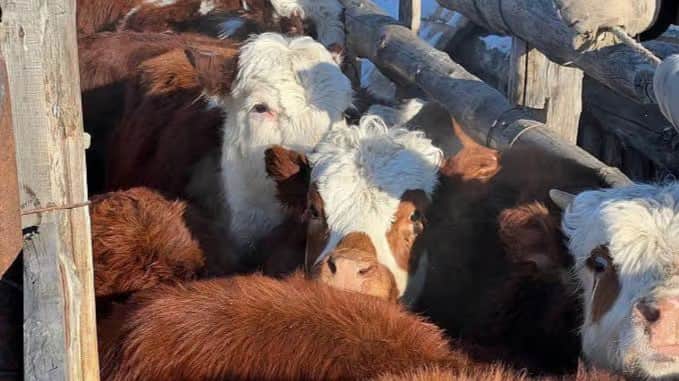
Authorities in Russia’s Republic of Buryatia have declared a state of heightened readiness amid an outbreak of lumpy skin disease among cattle in the neighbouring Irkutsk region, Governor Alexey Tsydenov announced on Tuesday.
Round-the-clock veterinary checkpoints have been set up along Buryatia’s borders with the Irkutsk and Zabaykalsky regions, where joint teams from the veterinary service, the state agricultural watchdog Rosselkhoznadzor, and the Interior Ministry will inspect vehicles to prevent the pathogen from entering via meat, livestock, or animal feed. Tsydenov urged residents not to conceal illness among their animals and not to attempt to transport or sell livestock on their own.
The outbreak has already caused a dispute in the Irkutsk region, where residents of several villages say veterinary authorities imposed quarantine measures on 6 September after claiming to have found lumpy skin disease in local herds, but without ever showing test results confirming the diagnosis. Officials have blamed the outbreak on the illegal import of sheep and goats and said more than 100 infected animals would be culled.
Veterinary epidemiologist Svetlana Shchepetkina has pointed out that lumpy skin disease affects only cattle, not the other species being culled, and that it is treatable. She said the outbreak more likely involves foot-and-mouth disease.
According to the Telegram channel BG Irkutsk, the carcasses of seized cows have already been brought for incineration to a site in the dry bed of the Sarafanka River. The newspaper Baikalskaya Sibir has asked environmental prosecutors to evaluate the legality of burying animal remains in a riverbed.
The outlet Baikal People reported that 14 cows and five pigs had already been put down in two of the villages and will soon be incinerated.
Authorities have offered owners compensation of 304 rubles (€3) per kilogram of live weight for cattle, 308 rubles for sheep and goats, and 190 rubles (€2) for pigs. Residents have demanded higher payouts and called for the burial site to be moved farther from their village.