‘On the side of the victims’
Chechen human rights defender Zainap Gashaeva remembers her late friend Anna Politkovskaya and the war they fought against

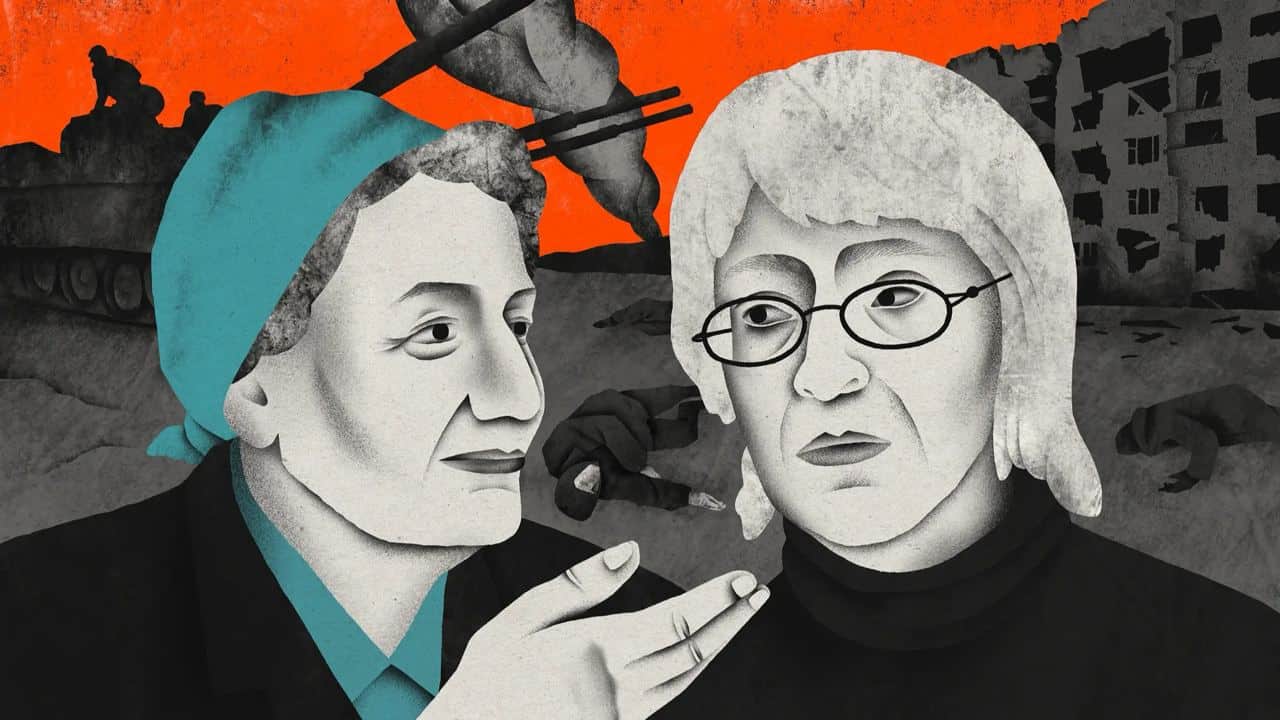

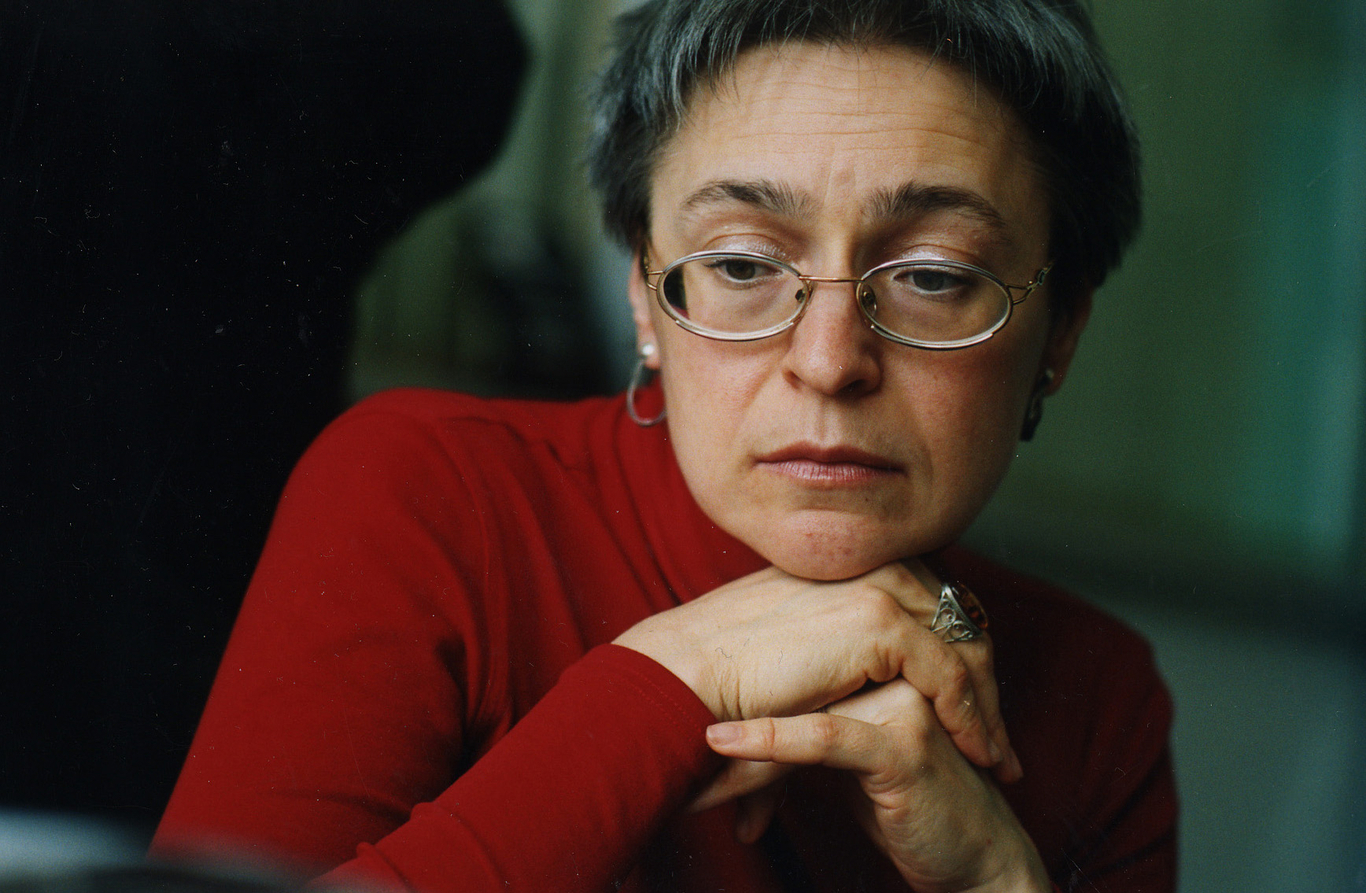
Zainap Gashaeva and Anna Politkovskaya met in a war in which their own people were killing each other, and yet it is hard to imagine two people closer than they were. Anna, a journalist, and Zainap, a human rights defender, documented war crimes in Chechnya, and time and again they went where others dared not go. Both loved life, and both hated war. Zainap has now lived without Anna for 20 years: Politkovskaya was murdered on 7 October 2006. Zainap spoke to Novaya Europe about her memories of her friend's work, she is sharing for the first time.
The checkpoint
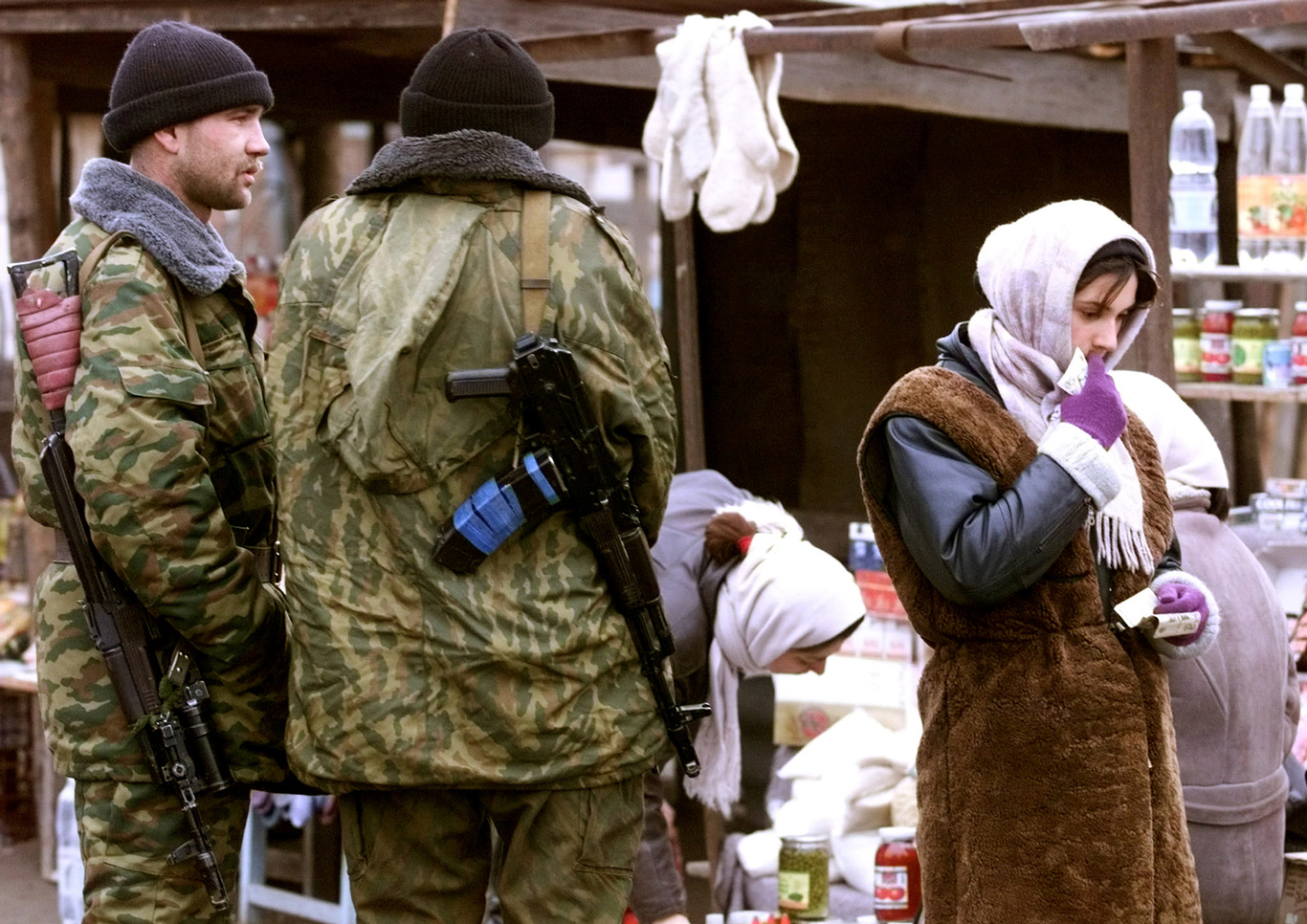
It was October 1999 at the Kavkaz-1 checkpoint on the Chechnya–Ingushetia border. The Second Chechen War had just begun. In front of the checkpoint was a large square, crowded with refugees trying to leave, and Chechen relatives waiting for their relatives and exchanging news.
Zainap was there too. She had taken her mother, sister and brother out of Grozny and rented an unfinished house near the border. She herself spent her days on the square, gathering information as a human rights defender.
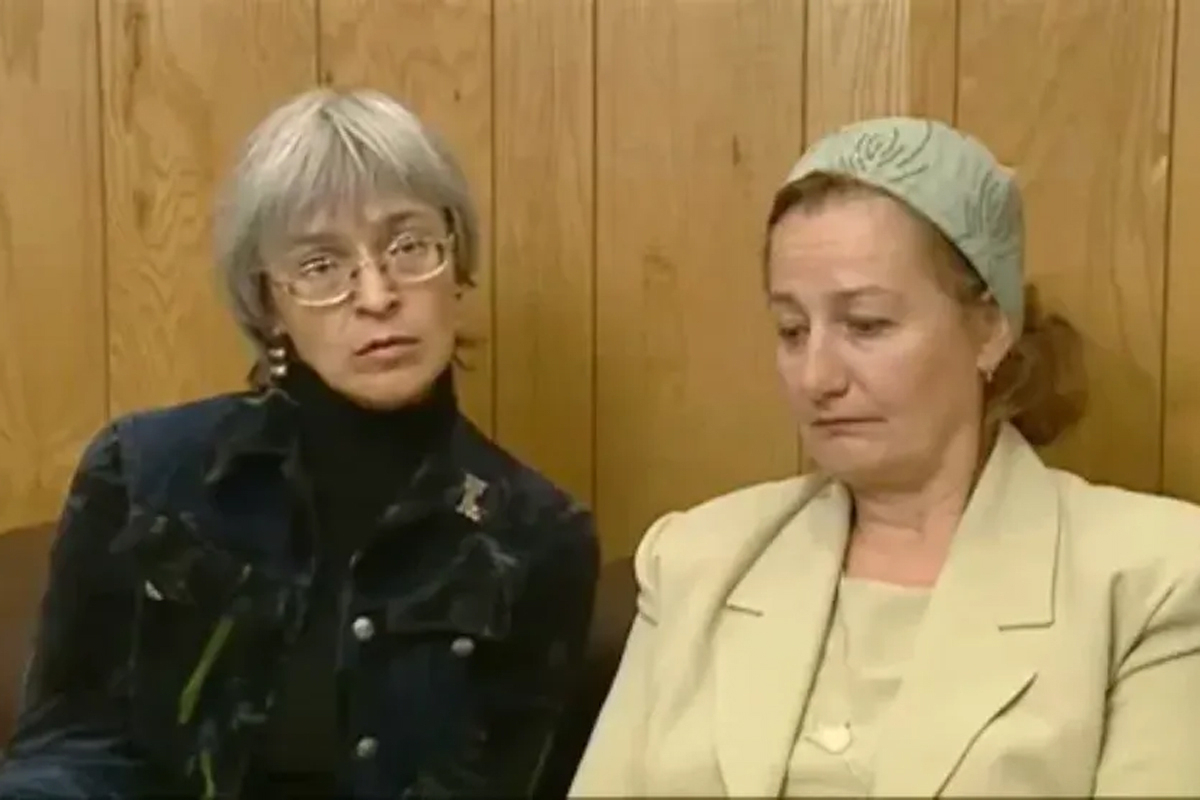
In the middle of the crowd, she spotted Anna. She was tall and easy to see from far off. She stood “in that hooded jacket of hers,” surrounded by Chechens, listening to their stories. Zainap didn’t walk over, she ran — because “we had already lived through the first war and knew that nobody was interested in us, that nobody needed us, that it was all just a political fight to destroy the Chechens.”
Anna was glad to see her too. They had met and talked before at various conferences, but they weren’t friends yet. “Look around: how many journalists do you see who came here and care what happens to these people?” Zainap told her. “That’s why I’m so grateful to you.”
That was how their friendship began. Zainap was 46, and Anna was 41. Her murder was still seven years away.
Slava
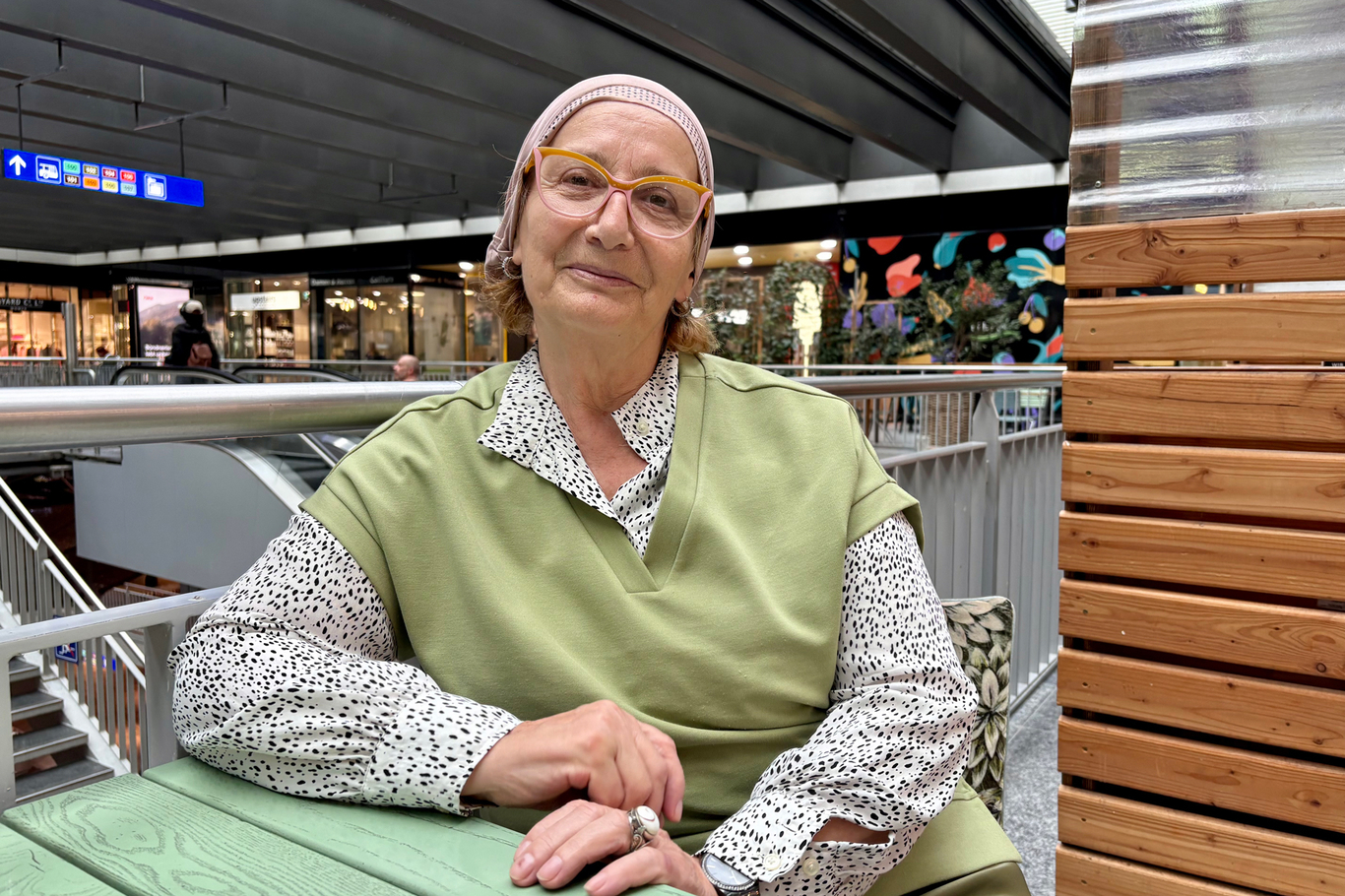
Early 2000. The Second Chechen War was in full force. A woman from Samashki called Zainap and said she was hiding a Russian deserter in her house. She had taken pity on the boy: he was very young, and his name was Slava. But the war showed no sign of ending, and she had sons of her own. Sheltering a Russian soldier was something that could get her killed.
So they came up with a risky plan. They dressed the boy in women’s clothes, and Zainap and her friends smuggled him through a checkpoint, “right past the Russian tanks,” into neighbouring Ingushetia. Then they hid him for another month, waiting for his mother to come and get him. When the mother finally arrived, she turned the women in to the authorities. “We were saving her son, and she was saving her own skin,” Zainap says.
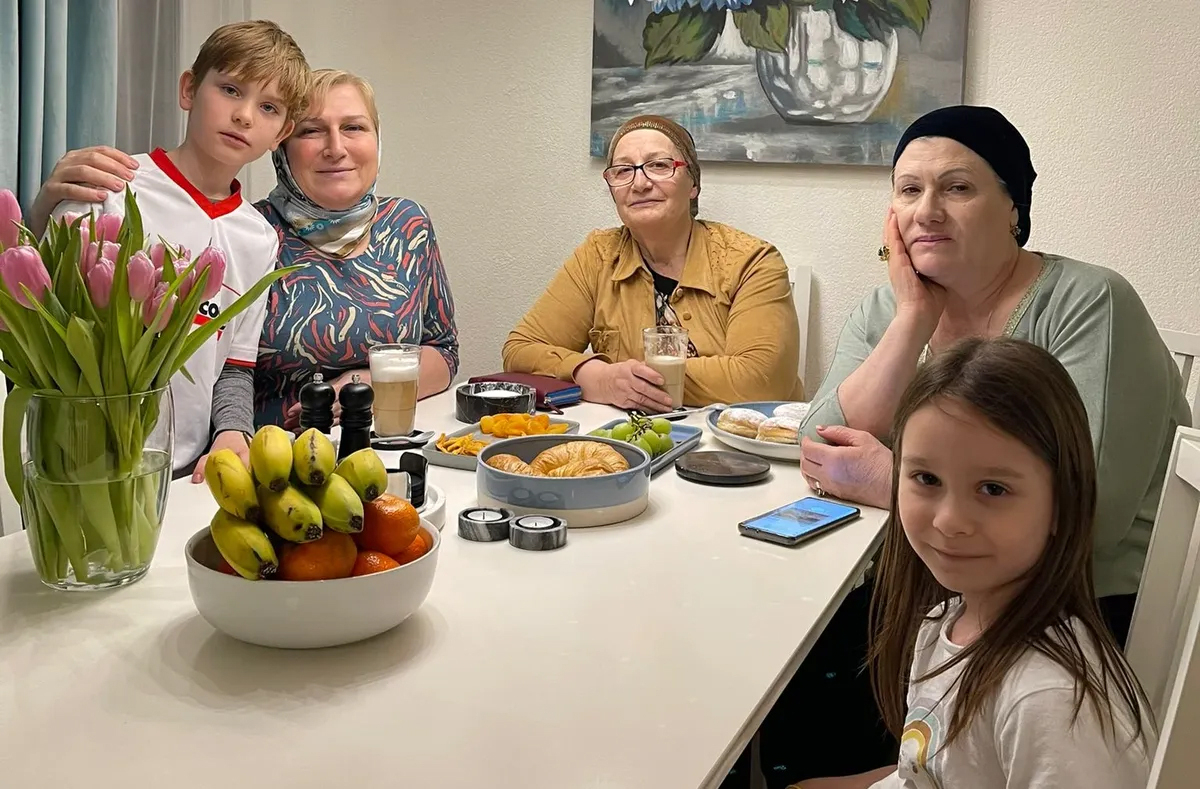
After nearly a day of detention and an interrogation, they were released. They’d gotten lucky. “That boy later apologised to us profusely,” Zainap says.
After her release, Zainap flew to Moscow, and by pure chance she and Anna ended up in adjacent seats. For the whole two-hour flight, Zainap told her the story of Slava’s rescue. Anna wrote an article about it.
“For us Chechens, Anna was the bearer of truth,” she says. “A truth that was hard to wrest out of that hell, which is what she herself called Chechnya during that war. And her pen was special: she conveyed injustice with such precision.”
A stream of people
In February 2001, Anna and Zainap traveled to Chechnya’s Vedeno district. On the outskirts of the village of Khattuni, high in the mountains and far from any town centre, stood a Russian combined airborne detachment, including units of the 119th Parachute Regiment and the 45th Separate Special Forces Regiment. Residents of four nearby villages had gathered 90 signatures and appealed to Echo of War, the public organisation Zainap had founded.
“Please come. Look at what’s happening. Do something, tell the world what’s going on here. Our boys are being taken from the villages, our women are taken, they are tortured and abused and thrown into pits,” they wrote.
Zainap phoned Anna in Moscow. “I want to go there,” she said. “Nobody’s been there at all — no journalists, no activists. I thought of you right away; maybe you can change something.” Anna agreed right away.
A little later she called back and said she had arranged for Stanislav Ilyasov, the new Moscow-appointed Chechen prime minister, to accompany them. Zainap flatly refused. “Anna, I’m not going anywhere with him, and I’m not taking you. Don’t even think about it,” she said. Anna asked why. “Because nobody will say anything in front of a government official. And then we’ll leave, and those people will be abused even more,” Zainap explained. “Fine, I’ll come alone,” Anna said.
They reached Makhkety, the village nexts to Khattuni, that evening. They stayed with a woman named Aishat (name changed for security reasons). After they had a bite to eat, Anna suddenly asked, “Can we get started talking to people?” Their hostess sent for someone. There were no phones and no mobile coverage, yet people soon began making their way to Aishat’s house.
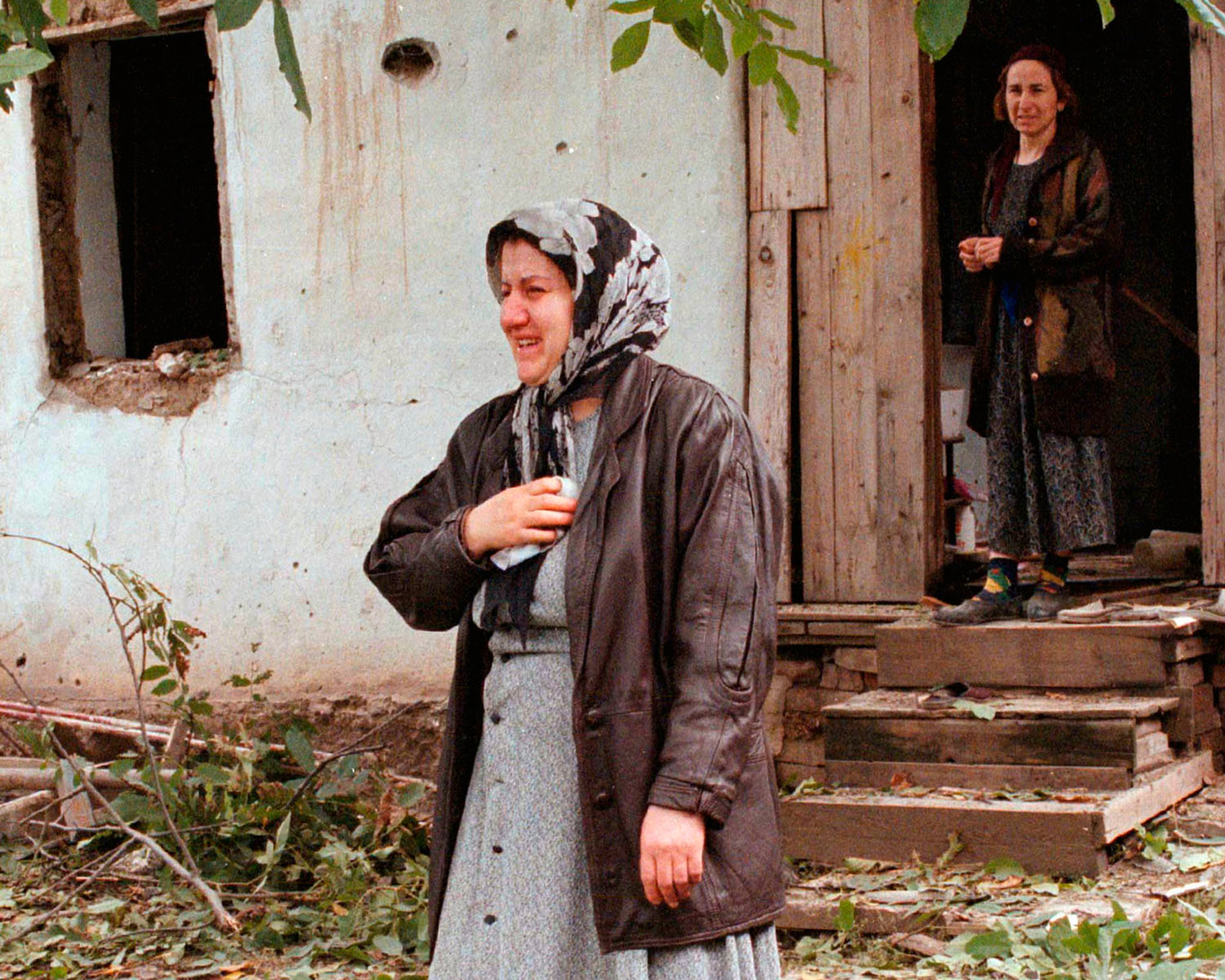
Sometimes Anna turned on a voice recorder, but mostly she wrote everything down on paper. She kept asking follow-up questions: which troops were involved, what uniform they wore, what numbers they had. By 11pm, people were still sitting there, waiting their turn.
They told her stories of what had happened to them or to their relatives: how they were abducted, interrogated, accused of feeding militants, or blamed for bringing weapons to them.
“Even if my son went off to fight, I live here. I don’t go anywhere. I have a family, livestock, a job. I stay at home. And they take me and ask, ‘Where is your son?’ How would I know?” a villager said.
After the interrogations, the villagers said, they had been forced into deep pits dug in the ground. The villagers described how soldiers had relieved themselves on their heads and faces. It was horrifying to listen to; the storytellers wept, as did Zainap. But Anna’s reaction was different.
“Imagine: for four or five hours she sits and writes down these stories, and I’m sitting right next to her the whole time, never leaving, watching her face,” Zainap recalls. “I could see how deeply she was affected by what people were telling her. But she’s a journalist, you see? She didn’t show it. She kept it all inside.”
The screaming child
The next day, Anna and Zainap set out to visit more villages. A schoolteacher named Musa had agreed to drive them. He knew people who had been abducted and tortured, and people whose relatives had been killed.
Zainap was worried about how the locals would react to their arrival. “Russian soldiers are killing them, and a Russian journalist turns up,” she says. “At times I myself wasn’t sure we were doing the right thing.”
But to her surprise, villagers themselves came up to the car to tell their stories. This happened in Makhkety, Selmentauzen, Tevzana and Khattuni. Residents were living through a terrible tragedy, and until then no one had listened to them.
Then something happened that Zainap says she will never forget. They went to see a family with a small girl of about three or four years old. They walked into the house, Zainap first. The girl didn’t react to her at all. But when Anna came in, the child screamed in terror, seeing that Anna was not Chechen.
Her father tried to calm her, but nothing worked. Then her mother took her into another room. Zainap felt deeply uncomfortable. The girl’s father began to describe what the Russians had done to him: how they had tortured and abused him. Anna wrote it all down.
The other side
Back in Makhkety, Anna said: “Zainap, I need to get the other side’s position. I’m going to the military base. Otherwise it won’t be credible, or right, or objective.”
Zainap tried to talk her out of it. The teacher who had been driving them around the villages admitted that he himself had recently spent time in a Russian pit. “I can’t go back there again,” he said. He asked Zainap in Chechen to persuade Anna not to go. But Anna wouldn’t budge.
Zainap asked her to hand over her notebooks, voice recordings, and all the material she had collected over the past two days, for safekeeping. She was afraid the soldiers would confiscate them. Anna protested: “What do you think? I’m an accredited journalist. Nothing will happen to me.” Zainap said, “Anna, dear, after all those stories, haven’t you understood what kind of people these are? They can kill a person without a second thought, or torture one.” Anna responded, “No, don’t worry, I won’t be long. I’ll just ask whether these pits even exist.”
Musa decided to go with her. They drove toward the base, and about 150 metres from it Zainap and Aishat got out of the car. From there they watched the teacher and Anna pull up to the gate and disappear behind it.
The women waited near the base for an hour, then two. Then they walked down to the village of Khattuni. “They’ve probably been detained,” Zainap said to Aishat. Now Aishat was frightened too: she was the one who had hosted them in her home.
Somehow they made their way back to Makhkety. Zainap sensed that Aishat did not want to take her back to the house. They went to another acquaintance of hers, but she, too, was afraid to let Zainap stay.
‘They’ve taken her’
Zainap and Aishat spent the whole night moving from house to house. They didn’t sleep. At some point someone came and said that screams had been heard from inside the military base.
At two or three in the morning, Musa arrived. “They’ve taken her,” he said. He had been pulled out of the car right inside the gates, and he hadn’t seen Anna again. He himself had been held for a while, beaten, and then released.
Zainap knew she had to get out of the Vedeno district as quickly as possible. Finding someone to drive her out was hard: everyone was afraid. In the end, one young man agreed. During the drive, he told her that almost all his close relatives had been killed and that he was left to look after his numerous brothers and sisters. A few months later, soldiers would shoot the man at point-blank range.
As soon as they reached the town of Shali, Zainap ran straight to the post office. The only number she knew by heart was her daughter’s. She dialed it and said: “Call Novaya Gazeta right now and tell them Anna’s been detained!” Anna later believed this saved her life: when the newsroom learned of her detention, they sounded the alarm.
She did end up seeing the prison pits with her own eyes. She later described part of what happened to her there in her articles — for example, how she was led in the dark of night right up to a Grad rocket launcher just as it fired a salvo, and how the soldiers threatened to shoot her.
After her release, she told Zainap: “Every second I thought it was my last.”
To protect her friend, Anna never told anyone that she had gone to Makhkety at Zainap’s invitation.
The sweeps
Anna never got back the notebooks and audio cassettes with testimony about the crimes of Russian troops in the villages of the Vedeno district. But she had collected plenty of other material, as she came to Chechnya often.
After the active phase of the war came the “sweeps”. In 2002, Zainap heard that in the village of Mesker-Yurt, Russian troops had taken more than 20 men out to a field, tied them up, packed explosives around them and blown them up. She went to check whether it was true, how it had happened, and whether there was any evidence. The road into the village was blocked by soldiers. Zainap and her colleagues got into Mesker-Yurt via back routes.
Once in the village, she ran into Anna by chance, right in the street. Anna said immediately: “Zainap, I’ve just been in a house. They tortured people there with electric shocks. They drove nails into their hands.”
The reports of the killings were confirmed. The Chechen human rights defender and the Russian journalist went from house to house, talking to the families of the dead. They were doing their job: documenting crimes. They went to the field together, too. The bodies had already been collected (they saw the mutilated remains by the mosque), but scraps of clothing were still lying at the site of the blast.
“Anna was practically the only Russian journalist who came to Chechnya and was truly on the side of the victims. And there were so many victims that it was incredibly hard for one person to bear it all. And still they dared to kill her. They dared to silence her voice. Because they knew she would keep telling the world about all of this,” Zainap says.